Shani Levni: Exploring the Vision, Artistic Style, and Growing Influence of a Contemporary Mixed Media Artist
The contemporary art world is constantly evolving, with new artists introducing fresh perspectives that challenge traditional ideas about creativity, identity, and storytelling. One name gradually attracting attention among art enthusiasts, collectors, and cultural observers is shani levni. Although still emerging in the broader international art scene, shani levni has become associated with thoughtful mixed media artwork that explores identity, memory, emotions, and the relationship between people and their environments.
Unlike artists who focus on a single technique, shani levni represents a modern creative approach where painting, texture, photography, found objects, digital elements, and experimental materials come together to create meaningful visual experiences. Each piece encourages viewers to slow down, observe carefully, and discover personal meanings beyond what appears on the surface.
As interest in contemporary mixed media art continues to grow across museums, galleries, online exhibitions, and digital platforms, artists like shani levni are becoming increasingly relevant. Today’s audiences appreciate authenticity, emotional storytelling, and artwork that invites interpretation rather than providing simple answers.
This comprehensive guide explores everything you need to know about shani levni. We’ll examine artistic influences, creative techniques, recurring themes, cultural significance, potential impact on contemporary art, and why collectors and art lovers are beginning to pay closer attention to this emerging creative voice.
Whether you are an art student, collector, researcher, or simply curious about contemporary artists, this guide provides valuable insights presented in an easy-to-read format.
Who Is Shani Levni?
Shani Levni is generally recognized as an emerging contemporary artist whose work centers around mixed media expression. Rather than limiting creativity to traditional painting or sculpture, the artist embraces multiple materials, textures, and visual languages to communicate complex ideas.
Although publicly available information remains relatively limited compared to internationally established artists, the growing discussion surrounding shani levni reflects increasing interest in contemporary creators who combine emotional storytelling with experimental artistic methods.
Many emerging artists begin by developing a recognizable artistic language before receiving widespread institutional recognition. This appears consistent with the growing curiosity surrounding shani levni, whose work is frequently associated with thoughtful exploration of personal identity, memory, and emotional experience.
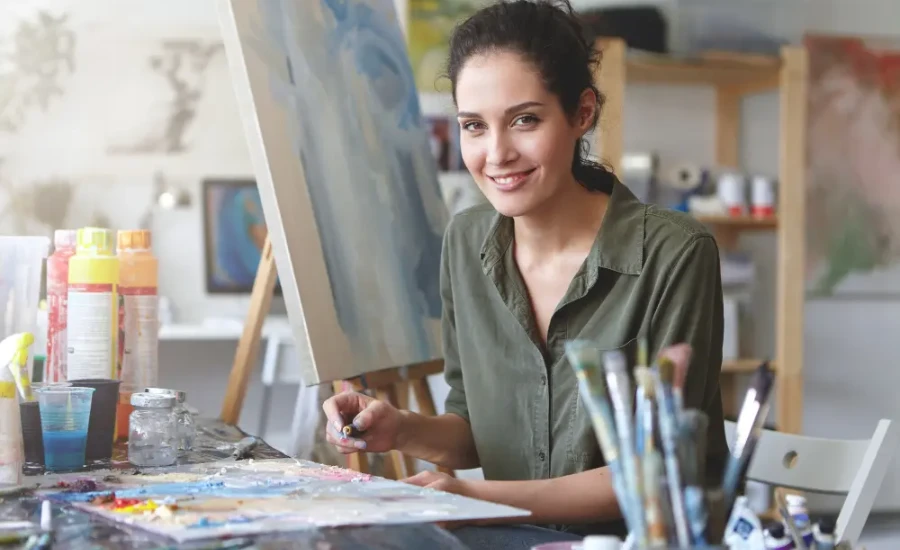
Instead of focusing solely on realistic representation, the artwork often encourages viewers to participate in the creative process through interpretation. Every observer may discover something different depending on personal experiences, cultural background, and emotional perspective.
This openness is one reason why contemporary mixed media artists continue gaining popularity across the global art community.
Why Is Shani Levni Becoming More Recognized?
Several factors explain why artists working in this style are attracting growing attention.
First, today’s audiences appreciate authenticity. Rather than seeking technically perfect artwork alone, people increasingly value pieces that communicate genuine emotion and personal reflection.
Second, mixed media allows artists to experiment beyond traditional boundaries. This flexibility creates artwork that feels fresh, modern, and unpredictable.
Third, contemporary collectors often look for emerging artists whose careers may continue developing over many years. Supporting new creative voices has become an important part of today’s art market.
Finally, digital platforms allow artists to share their work with international audiences much faster than in previous decades. Even without representation by major galleries, talented creators can build recognition through online exhibitions, artist communities, and social media engagement.
These broader industry trends help explain why interest in shani levni continues to grow.
Understanding Mixed Media Art
To fully appreciate shani levni, it helps to understand what mixed media actually means.
Mixed media refers to artwork created using more than one artistic material or technique. Instead of relying on oil paint alone, an artist may combine:
- Acrylic paint
- Watercolor
- Ink
- Paper collage
- Fabric
- Wood
- Photography
- Metal
- Digital printing
- Natural materials
- Recycled objects
- Handwritten text
- Layered textures
The goal is not simply to use many materials but to create meaningful relationships between them.
Every texture, color, and object contributes to the overall message of the artwork.
This creative freedom makes mixed media especially effective for expressing complicated emotions and abstract concepts that cannot always be communicated through traditional painting.
The Artistic Philosophy Behind Shani Levni
One characteristic commonly associated with shani levni is the exploration of human experience through layered visual storytelling.
Rather than presenting straightforward narratives, the artwork often encourages reflection.
Questions may include:
- Who are we?
- How do memories shape identity?
- What remains after experiences fade?
- How do people connect with places?
- What emotional traces do relationships leave behind?
Instead of answering these questions directly, the artwork creates space for viewers to discover their own interpretations.
This approach reflects an important trend in contemporary art.
Modern artists increasingly prioritize conversation over conclusion.
Rather than telling audiences exactly what to think, they invite thoughtful engagement.
Identity as a Central Theme
Identity remains one of the strongest themes connected with shani levni.
Identity is not fixed.
It evolves through:
- Childhood experiences
- Family relationships
- Cultural background
- Language
- Education
- Migration
- Personal growth
- Successes
- Failures
- Memories
Artists exploring identity often examine how individuals continuously reconstruct themselves throughout life.
Instead of portraying identity as permanent, they represent it as layered, changing, and sometimes uncertain.
Mixed media naturally supports this concept because multiple materials can symbolize different aspects of a person’s life coming together into one composition.
For example, rough textures may represent difficult experiences while transparent layers suggest forgotten memories that still influence the present.
Memory and Emotional Storytelling
Memory rarely behaves like a photograph.
People remember emotions differently than facts.
Certain moments become clearer over time while others disappear almost completely.
This imperfect nature of memory provides rich inspiration for contemporary artists.
The creative language associated with shani levni often reflects this complexity through layered imagery, fragmented compositions, faded textures, overlapping colors, and symbolic forms.
Instead of recreating events exactly as they happened, the artwork may represent how memories feel emotionally.
This emotional authenticity often resonates more deeply than literal representation.
Viewers frequently recognize pieces of their own lives within abstract visual language.
The Importance of Layers
Layering serves both practical and symbolic purposes.
Practically, layers create visual depth.
Symbolically, they represent:
- Time
- Personal history
- Emotional growth
- Hidden experiences
- Psychological complexity
- Transformation
Each new layer changes the meaning of those beneath it.
Similarly, every life experience reshapes earlier memories without completely replacing them.
This connection between artistic technique and human psychology gives mixed media artwork remarkable emotional power.
Color Choices and Their Possible Meanings
Although each artwork differs, color frequently carries symbolic importance.
Soft neutral tones often communicate calmness, reflection, or nostalgia.
Deep blues may suggest contemplation or emotional depth.
Warm earth tones can symbolize connection with nature, family, or personal history.
Bold contrasting colors may represent conflict, transformation, or resilience.
Rather than assigning fixed meanings, contemporary artists encourage viewers to interpret color based on personal experience.
This flexibility allows artwork to remain meaningful across different cultures and generations.
Texture as a Storytelling Tool
Texture does much more than create visual interest.
It adds physical presence.
A rough surface may express struggle.
Smooth transitions may communicate healing.
Cracked materials can symbolize aging or forgotten memories.
Transparent layers often represent vulnerability.
Organic materials may strengthen themes related to nature, growth, and human connection.
Because texture engages both visual and emotional perception, it becomes an important storytelling element within mixed media practice.
How Viewers Experience Shani Levni’s Work
One reason contemporary art remains fascinating is that no two viewers experience the same artwork identically.
Someone with memories of migration may interpret layered maps differently than someone focused on family relationships.
Another viewer may notice emotional symbolism within color while another concentrates on texture.
This openness transforms the audience from passive observers into active participants.
Each interpretation becomes part of the artwork’s ongoing story.
This interactive quality distinguishes much contemporary mixed media from traditional narrative illustration.
Influences Found in Contemporary Mixed Media
Artists working in this space often draw inspiration from many sources simultaneously.
Possible influences include:
- Personal journals
- Family photographs
- Architecture
- Urban environments
- Nature
- Literature
- Cultural history
- Psychology
- Philosophy
- Music
- Travel experiences
- Community memories
Rather than copying these influences directly, artists reinterpret them through visual experimentation.
The result is artwork that feels both personal and universal.
The Role of Abstract Expression
Abstract elements frequently appear alongside recognizable forms.
This balance allows artwork to communicate emotion without becoming overly literal.
Abstract compositions encourage curiosity.
Instead of immediately identifying a subject, viewers spend more time examining relationships between shapes, colors, textures, and symbols.
This slower viewing process often creates stronger emotional engagement.
Contemporary audiences increasingly appreciate artwork that rewards careful observation.
Materials That May Be Used
Mixed media artists often select materials based on meaning rather than convenience.
Possible materials include:
- Handmade paper
- Canvas
- Acrylic paint
- Charcoal
- Graphite
- Textile fibers
- Natural pigments
- Sand
- Thread
- Wax
- Printed photographs
- Recycled materials
- Ink
- Resin
- Wood panels
Every material contributes to the overall narrative.
Even ordinary everyday objects can acquire powerful symbolic meaning when incorporated thoughtfully into artwork.
Why Emerging Artists Matter
Many people focus only on world-famous artists.
However, emerging creators often introduce the newest ideas.
They experiment more freely because they are not restricted by decades of established expectations.
Supporting artists during early career stages benefits the broader creative community.
It encourages innovation.
It introduces fresh perspectives.
It expands conversations surrounding contemporary culture.
Interest in shani levni reflects this broader appreciation for artists whose work contributes new ideas rather than repeating familiar styles.
Art as a Reflection of Society
Every generation produces artists who capture the emotions, challenges, and questions of their time.
Today’s society experiences rapid technological change, globalization, environmental concerns, shifting identities, and evolving cultural conversations.
Mixed media provides an ideal artistic language for expressing this complexity.
Instead of presenting simple answers, layered compositions mirror the layered nature of modern life itself.
For this reason, artists like shani levni represent more than individual creative voices.
They also reflect broader cultural movements that value diversity, personal storytelling, and emotional authenticity.
The Relationship Between Art and Personal Identity
One of the most compelling aspects associated with shani levni is the exploration of personal identity through visual storytelling. Identity is rarely simple. It develops over years through experiences, relationships, education, culture, memories, and personal growth.
Artists working with identity often avoid presenting one clear answer. Instead, they show that identity is made of many layers that continue changing throughout life.
This perspective connects strongly with modern audiences because people today often experience multiple identities at once. A person may identify with their family traditions while embracing new cultural influences. They may remember the past while looking toward the future.
Mixed media naturally represents this complexity because different materials can symbolize different chapters of life existing together in a single composition.
Memory as a Living Experience
Memory is another important concept frequently connected with shani levni. Unlike photographs, memories are not perfect records of events. They change over time, becoming stronger, weaker, or even blending with imagination.
This idea creates exciting opportunities for artistic expression.
A faded layer of paint might represent a distant childhood memory. Torn paper may symbolize fragmented recollections. Transparent materials can suggest moments that are almost forgotten but still influence emotions today.
This artistic approach encourages viewers to think about their own memories. Rather than simply observing the artwork, they begin connecting it to their own experiences.
That emotional connection often makes contemporary art more meaningful than artwork that simply aims to reproduce reality.
The Emotional Language of Contemporary Art
Many traditional paintings tell viewers exactly what they are looking at. Contemporary mixed media often works differently.
Instead of providing direct explanations, it communicates through emotion.
The artwork may evoke feelings such as:
- Hope
- Curiosity
- Reflection
- Joy
- Nostalgia
- Loss
- Renewal
- Wonder
- Peace
- Uncertainty
Different viewers may experience different emotions while looking at the same piece. This diversity of interpretation is considered one of the strengths of contemporary art rather than a weakness.
Shani levni represents this modern artistic philosophy by allowing the audience to complete the story themselves.
The Importance of Symbolism
Symbolism plays a major role in many mixed media artworks.
Rather than showing ideas literally, artists often use visual symbols that carry deeper meanings.
For example:
- Birds may symbolize freedom.
- Windows can represent opportunity.
- Water may suggest memory or emotional change.
- Trees often symbolize growth.
- Circles may represent unity or continuity.
- Empty spaces can communicate silence or reflection.
The beauty of symbolism lies in its flexibility.
A symbol does not have one fixed meaning. Instead, each viewer interprets it through their own life experiences.
This creates a richer viewing experience that continues long after leaving the gallery.
How Shani Levni Reflects Modern Artistic Trends
The growing interest in shani levni reflects several important trends within today’s art world.
Greater Focus on Authenticity
Modern audiences increasingly appreciate genuine emotional expression over technical perfection alone.
Artwork that feels honest often creates stronger connections than artwork that simply demonstrates impressive skill.
Experimental Creativity
Contemporary artists enjoy combining traditional methods with innovative materials and digital techniques.
This openness encourages constant experimentation.
Cross-Disciplinary Inspiration
Today’s artists frequently draw inspiration from psychology, literature, philosophy, history, architecture, environmental studies, and cultural research.
This creates artwork that speaks to multiple audiences.
Global Artistic Conversations
Digital communication has made it easier for artists from different countries to share ideas, influences, and creative techniques.
As a result, contemporary art has become increasingly international while still maintaining personal cultural identities.
The Creative Process Behind Mixed Media
Although every artist develops unique working methods, mixed media generally involves a thoughtful creative process.
The journey often begins with an idea rather than a finished image.
An artist may ask questions like:
- What emotion should this artwork communicate?
- Which materials best represent this feeling?
- How can texture support the story?
- What should remain visible?
- What should remain hidden?
The artist gradually builds layers over time.
Some layers may eventually disappear beneath new materials.
Others remain visible, becoming part of the artwork’s history.
This process mirrors real life, where past experiences continue influencing the present even when they are no longer immediately visible.
How Collectors View Emerging Artists
Art collectors often appreciate emerging artists for several reasons.
First, they enjoy discovering new creative voices before they become widely recognized.
Second, collecting early works allows them to follow an artist’s development over many years.
Third, emerging artists frequently experiment more freely than established names.
Rather than repeating successful formulas, they explore new techniques and ideas.
Collectors interested in contemporary mixed media often look beyond popularity alone.
They evaluate:
- Originality
- Consistency
- Technical development
- Artistic vision
- Emotional depth
- Long-term creative potential
These qualities help determine whether an artist’s work may become increasingly significant over time.
How Galleries Support Contemporary Artists
Art galleries play an important role in introducing emerging artists to wider audiences.
Professional galleries often provide:
- Curated exhibitions
- Educational programs
- Artist talks
- Collector introductions
- Exhibition catalogs
- Media exposure
- Professional networking opportunities
For artists like shani levni, gallery representation can help build recognition while allowing the artwork to reach collectors, museums, researchers, and cultural institutions.
The Growing Digital Presence of Contemporary Art
Technology has transformed the way people experience art.
Today, audiences can discover artists through:
- Virtual exhibitions
- Artist websites
- Online galleries
- Digital art fairs
- Museum collections
- Educational platforms
- Social media
This increased accessibility allows emerging artists to connect with international audiences much earlier in their careers.
Digital platforms also encourage conversations between artists and viewers, making contemporary art more interactive than ever before.
Why Contemporary Mixed Media Continues to Grow
Mixed media continues expanding because it offers extraordinary creative flexibility.
Artists are no longer limited by traditional expectations.
Instead, they can combine:
- Handmade techniques
- Photography
- Digital design
- Found objects
- Sustainable materials
- Printed elements
- Traditional painting
- Sculpture
This freedom encourages innovation while allowing artists to address increasingly complex social and emotional themes.
As a result, audiences continue showing growing interest in mixed media creators like shani levni.
Lessons Artists Can Learn from Shani Levni
Emerging artists may find several valuable lessons in the creative philosophy associated with shani levni.
Develop Your Own Voice
Rather than copying trends, successful artists gradually develop personal visual languages.
Originality creates lasting recognition.
Embrace Experimentation
Creative growth often comes from trying unfamiliar techniques and materials.
Every experiment teaches something valuable.
Focus on Meaning
Technical skill matters, but emotional authenticity often creates stronger connections with audiences.
Artwork that communicates genuine ideas remains memorable.
Accept Multiple Interpretations
Contemporary art does not always require one correct meaning.
Allowing viewers to discover personal interpretations creates richer experiences.
Common Misunderstandings About Contemporary Mixed Media
Some people believe contemporary art is random or lacks technical skill.
In reality, successful mixed media usually requires careful planning, material knowledge, composition, color theory, and conceptual development.
Another misconception is that abstract artwork has no meaning.
Instead, abstraction often communicates emotional experiences that realistic imagery cannot fully express.
Finally, some viewers believe they need expert knowledge before appreciating contemporary art.
The opposite is often true.
Personal observation, curiosity, and emotional response are valuable starting points.
Art becomes more meaningful when viewers trust their own interpretations.
The Future of Shani Levni
As public interest continues growing, shani levni may become increasingly recognized within broader contemporary art conversations.
Future opportunities could include:
- Solo exhibitions
- International gallery representation
- Museum collaborations
- Artist residencies
- Educational workshops
- Public art projects
- Cross-disciplinary collaborations
- Digital exhibitions
Regardless of the specific career path, artists who consistently develop authentic creative voices often build lasting influence over time.
The growing curiosity surrounding shani levni suggests continued interest from audiences seeking thoughtful contemporary artistic expression.
Expert Perspective: Why Emerging Artists Matter More Than Ever
The contemporary art world thrives because new artists continue challenging existing ideas.
Emerging creators introduce fresh perspectives that reflect changing societies.
They ask new questions.
They experiment with new materials.
They create conversations that established traditions sometimes overlook.
Supporting artists like shani levni strengthens the creative ecosystem by encouraging innovation and diversity within the visual arts.
Rather than waiting for artists to become internationally famous, collectors, educators, and enthusiasts increasingly recognize the importance of engaging with creative voices during the early stages of their development.
Frequently Asked Questions About Shani Levni
Who is shani levni?
Shani levni is generally described as an emerging contemporary mixed media artist whose work explores themes including identity, memory, emotional experience, and layered storytelling.
What artistic style is shani levni known for?
Shani levni is primarily associated with contemporary mixed media art, combining multiple materials and techniques to create visually rich compositions.
Why is shani levni attracting attention?
Growing interest comes from the artist’s thoughtful exploration of personal identity, emotional depth, and innovative mixed media techniques that resonate with modern audiences.
What makes mixed media different from traditional painting?
Mixed media combines multiple artistic materials instead of relying on only one medium, allowing artists to create greater texture, symbolism, and conceptual depth.
Is shani levni suitable for new art collectors?
Collectors interested in emerging contemporary artists often appreciate original mixed media work because it reflects current artistic trends and evolving creative practices.
How should beginners approach artwork by shani levni?
Start by observing colors, textures, shapes, and emotional responses rather than searching for one correct interpretation. Personal reflection is an important part of experiencing contemporary art.
Can mixed media artwork use recycled materials?
Yes. Many contemporary artists include recycled, natural, or found materials to add both visual texture and conceptual meaning.
What skills are important for mixed media artists?
Successful mixed media artists often develop strong skills in composition, color theory, material experimentation, conceptual thinking, and visual storytelling.
Why does contemporary art often leave room for interpretation?
Open interpretation encourages viewers to build personal relationships with the artwork, making each viewing experience unique.
How can someone learn more about emerging contemporary artists?
Visiting galleries, museums, online exhibitions, artist talks, educational workshops, and contemporary art publications provides valuable insight into developing artists and new creative movements.
Conclusion
The growing interest in shani levni reflects broader changes within contemporary art. Today’s audiences increasingly value authenticity, emotional storytelling, experimentation, and meaningful dialogue over simple visual perfection.
Although publicly available information remains relatively limited, shani levni is generally recognized as an emerging contemporary artist associated with mixed media practices that thoughtfully explore identity, memory, personal transformation, and human experience. These themes resonate strongly with modern viewers because they invite reflection rather than providing fixed answers.
Mixed media offers exceptional freedom to combine textures, materials, colors, and symbolic elements into layered visual narratives. Through this approach, artists can communicate emotional complexity in ways that traditional techniques sometimes cannot. The work connected with shani levni illustrates how contemporary creativity continues expanding beyond conventional artistic boundaries while remaining deeply personal and emotionally engaging.
As the contemporary art world evolves, emerging voices like shani levni remind us that meaningful art is not simply about decoration—it is about conversation, exploration, and connection. Whether you are an experienced collector, a student of visual arts, or someone discovering contemporary art for the first time, following artists who challenge expectations can provide lasting inspiration and a deeper appreciation for the power of creative expression.