Crocolini: The Complete Guide to Nutrition, Benefits, Recipes & Growing Tips (2026)
If you enjoy vegetables that are flavorful, nutritious, and easy to cook, crocolini deserves a place on your table. This unique green vegetable combines the best qualities of traditional broccoli and Chinese broccoli (gai lan), creating a vegetable with long, tender stems, delicate florets, and a mild, slightly sweet taste.
Although crocolini is not yet as common as broccoli in many grocery stores across the United States, it is becoming increasingly popular among chefs, home cooks, and health-conscious consumers. Its versatility, attractive appearance, and excellent nutritional profile make it one of the most exciting vegetables available today.
Whether you want to roast it, grill it, steam it, sauté it, or enjoy it in salads and pasta dishes, crocolini offers countless possibilities. It cooks quickly, pairs well with many ingredients, and provides impressive health benefits without sacrificing flavor.
This complete guide explains everything you need to know about crocolini, including its origins, nutrition, health benefits, taste, cooking methods, growing tips, buying advice, storage recommendations, and much more. You’ll also discover practical insights and expert tips that go beyond basic information to help you get the most from this remarkable vegetable.
What Is Crocolini?
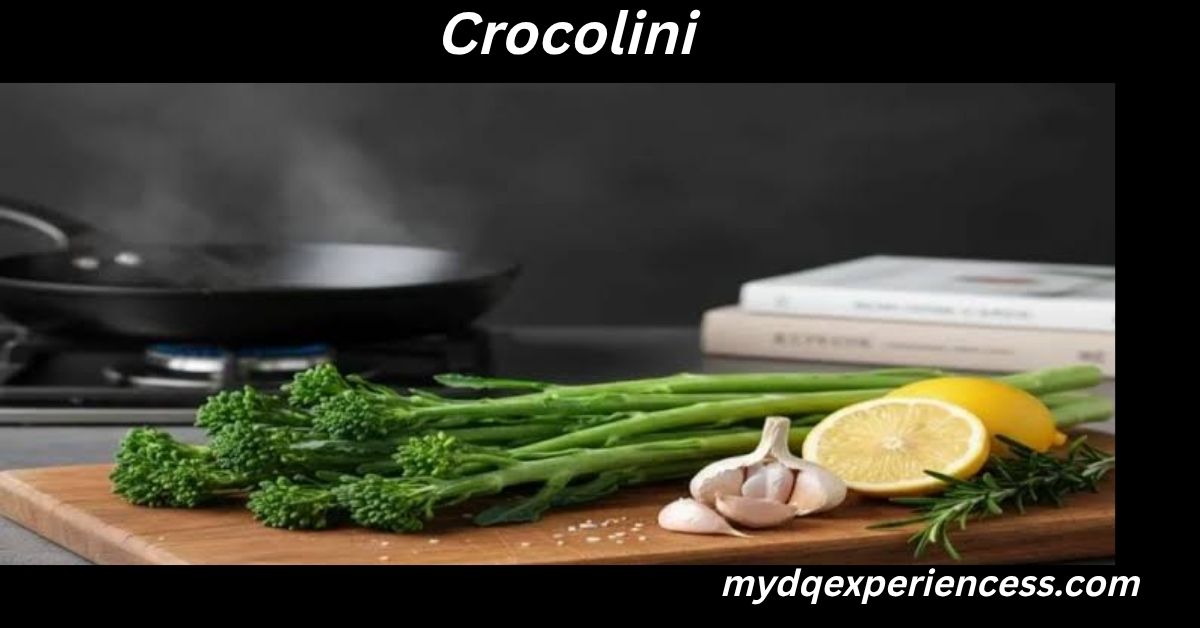
Crocolini is a hybrid vegetable created by crossing traditional broccoli with Chinese broccoli, also known as gai lan. The result is a vegetable that combines the tender stems of gai lan with the familiar florets of broccoli.
Unlike standard broccoli, which produces thick stalks and dense heads, crocolini features:
- Long edible stems
- Small delicate florets
- Thin leaves
- Tender texture
- Mild sweet flavor
- Quick cooking time
One of the biggest advantages of crocolini is that nearly every part of the vegetable is edible. There is very little waste because the stems, leaves, and florets all become tender during cooking.
Its elegant appearance also makes it popular in restaurants where presentation is important.
The Origin of Crocolini
Crocolini is the result of careful agricultural breeding rather than genetic modification. Plant breeders developed it by naturally crossing broccoli with Chinese broccoli to combine desirable characteristics from both vegetables.
The goal was to create a vegetable that offers:
- Better flavor
- Softer stems
- Faster cooking
- Improved versatility
- Attractive appearance
- High nutritional value
Modern agriculture continues to develop hybrid vegetables that satisfy consumer preferences while maintaining excellent nutritional quality. Crocolini is an excellent example of successful natural plant breeding.
Also Read:Social Media Silent Scroller Traits: 15 Hidden Behaviors You Should Know in 2026
Crocolini vs Broccoli
Although they are closely related, several important differences separate crocolini from traditional broccoli.
Appearance
Broccoli has a thick central stalk with a large, dense crown.
Crocolini has thinner stems with multiple smaller florets.
Texture
Broccoli stalks can become fibrous if overcooked.
Crocolini stems stay tender and require very little trimming.
Taste
Broccoli has a stronger, earthier flavor.
Crocolini tastes sweeter and milder with less bitterness.
Cooking Time
Broccoli often requires 8 to 12 minutes.
Crocolini usually cooks in only 4 to 7 minutes.
Waste
Many people discard broccoli stems.
Nearly every part of crocolini can be eaten.
Crocolini vs Chinese Broccoli (Gai Lan)
Since crocolini comes from Chinese broccoli, they share many similarities.
Chinese broccoli has larger leaves and fewer florets.
Crocolini develops more broccoli-like flower heads while keeping the tender stems of gai lan.
The flavor of Chinese broccoli is slightly more bitter.
Crocolini is generally sweeter and appeals to a wider range of tastes, making it especially popular with children and people who normally avoid green vegetables.
Why Crocolini Is Becoming More Popular
Several food trends have helped increase interest in crocolini.
Consumers today look for vegetables that are:
- Easy to prepare
- Highly nutritious
- Restaurant quality
- Beautiful on the plate
- Sustainable
- Low in calories
- Rich in vitamins
Crocolini meets all of these expectations.
Its quick cooking time also fits today’s busy lifestyles, allowing families to prepare healthy meals in just a few minutes.
Nutritional Value of Crocolini
Crocolini delivers many essential nutrients while remaining naturally low in calories.
A typical serving provides:
- Dietary fiber
- Vitamin C
- Vitamin A
- Vitamin K
- Folate
- Potassium
- Calcium
- Iron
- Magnesium
- Antioxidants
It also contains plant compounds that support overall wellness and healthy aging.
Calories and Macronutrients
Crocolini is naturally light while providing satisfying nutrition.
Per serving, it generally contains:
- Low calories
- Minimal fat
- Moderate carbohydrates
- Good dietary fiber
- Small amount of protein
This makes crocolini an excellent addition to weight-management and healthy eating plans.
Health Benefits of Crocolini
Supports Immune Health
Crocolini contains significant amounts of vitamin C, which helps support the immune system.
Vitamin C also contributes to healthy skin and assists in wound healing.
Promotes Heart Health
The fiber, antioxidants, and potassium found in crocolini may help support cardiovascular health.
These nutrients work together to help maintain healthy blood pressure and cholesterol levels as part of a balanced diet.
Encourages Healthy Digestion
Fiber helps move food through the digestive system while supporting beneficial gut bacteria.
Regular consumption of fiber-rich vegetables may contribute to improved digestive comfort.
Supports Bone Strength
Crocolini contains vitamin K and calcium, nutrients important for maintaining healthy bones.
These nutrients work together to support bone density throughout life.
May Help Reduce Inflammation
Like many cruciferous vegetables, crocolini contains natural antioxidants that help protect cells from oxidative stress.
These compounds contribute to overall wellness and healthy aging.
Supports Eye Health
Vitamin A and related plant compounds support healthy vision.
Eating a variety of colorful vegetables, including crocolini, helps provide nutrients important for eye function.
Helps Maintain Healthy Weight
Crocolini is filling while remaining low in calories.
The combination of water and fiber promotes fullness, making it easier to control calorie intake.
Antioxidants Found in Crocolini
One of crocolini’s greatest strengths is its rich antioxidant content.
These include:
- Vitamin C
- Beta-carotene
- Lutein
- Zeaxanthin
- Sulforaphane
- Glucosinolates
These naturally occurring compounds help protect cells from everyday damage caused by free radicals.
Is Crocolini a Superfood?
While the word “superfood” is primarily a marketing term rather than a scientific classification, crocolini certainly fits many characteristics commonly associated with nutrient-dense foods.
It provides:
- Excellent nutrition
- High vitamin content
- Beneficial antioxidants
- Dietary fiber
- Low calories
- Minimal fat
Rather than relying on a single “superfood,” nutrition experts recommend eating a wide variety of vegetables. Crocolini is an excellent choice within that balanced approach.
What Does Crocolini Taste Like?
Many people describe crocolini as sweeter than broccoli.
Its flavor is:
- Mild
- Fresh
- Slightly nutty
- Lightly earthy
- Less bitter
- Slightly sweet
The stems remain juicy and tender, while the florets absorb seasonings beautifully.
Because of its mild taste, crocolini pairs well with both simple and complex recipes.
Best Ways to Cook Crocolini
One reason crocolini has become popular is its incredible versatility.
Roasting
Roasting creates crispy edges while keeping the stems tender.
Simply toss crocolini with olive oil, garlic, salt, and pepper before roasting until lightly browned.
Sautéing
A quick sauté with olive oil and garlic creates an easy side dish in just a few minutes.
Adding lemon juice after cooking brightens the flavor.
Steaming
Steaming preserves many nutrients while keeping the vegetable vibrant green.
This method is excellent for meal preparation.
Also Read:Zavalio Com: The Complete Guide to the Multi-Topic Content Platform in 2026
Grilling
Grilling adds a smoky flavor that pairs well with meats and seafood.
Brush lightly with olive oil before placing on the grill.
Stir-Frying
Because crocolini cooks quickly, it works beautifully in stir-fries alongside mushrooms, carrots, peppers, tofu, chicken, or shrimp.
Air Frying
Air frying produces lightly crisp florets while maintaining tender stems.
This method requires very little oil.
Delicious Foods That Pair Well with Crocolini
Crocolini complements numerous ingredients.
Popular pairings include:
- Garlic
- Lemon
- Parmesan cheese
- Olive oil
- Butter
- Almonds
- Pine nuts
- Mushrooms
- Pasta
- Rice
- Chicken
- Salmon
- Steak
- Shrimp
- Tofu
- Eggs
Its mild flavor allows it to enhance meals without overpowering other ingredients.
Easy Crocolini Recipes
Garlic Lemon Crocolini
Cook crocolini with olive oil and fresh garlic.
Finish with lemon juice and black pepper.
Roasted Parmesan Crocolini
Roast until slightly crisp.
Sprinkle freshly grated Parmesan cheese before serving.
Crocolini Pasta
Combine cooked crocolini with pasta, olive oil, garlic, basil, and cherry tomatoes.
Asian Stir-Fry
Stir-fry crocolini with soy sauce, sesame oil, ginger, garlic, and vegetables.
Serve over rice.
Grilled Crocolini
Brush with olive oil and grill until lightly charred.
Top with flaky sea salt and lemon zest.
How to Buy Fresh Crocolini
When shopping, look for:
- Bright green color
- Firm stems
- Tight florets
- Crisp leaves
- No yellowing
- No soft spots
Fresh crocolini should feel firm and moist without being slimy.
How to Store Crocolini
Store crocolini in the refrigerator inside a breathable produce bag or loosely wrapped in a paper towel.
Avoid washing before storage because excess moisture can shorten freshness.
Properly stored crocolini usually remains fresh for several days.
Can You Freeze Crocolini?
Yes.
For best quality:
- Wash thoroughly.
- Cut into serving pieces.
- Blanch briefly.
- Cool in ice water.
- Dry completely.
- Freeze in airtight containers or freezer bags.
Frozen crocolini works well in soups, stir-fries, casseroles, and pasta dishes.
Can You Eat Crocolini Raw?
Absolutely.
Raw crocolini has a crisp texture and mild flavor.
It works well in:
- Salads
- Vegetable trays
- Wraps
- Grain bowls
- Smoothies
- Slaws
Thinly slicing the stems improves tenderness for raw preparations.
Is Crocolini Good for Kids?
Yes.
Its sweeter flavor makes it more appealing than regular broccoli for many children.
Parents can encourage kids to enjoy crocolini by:
- Roasting it until slightly crispy
- Adding cheese
- Mixing it into pasta
- Serving with healthy dips
- Including it in homemade pizza
Introducing vegetables in different cooking styles often helps children develop healthier eating habits.
Can Crocolini Fit Special Diets?
Crocolini naturally fits many eating plans.
It is suitable for:
- Vegetarian diets
- Vegan diets
- Mediterranean diet
- Plant-based diets
- Low-calorie diets
- High-fiber diets
- Gluten-free diets
- Low-carb meal plans
- Heart-healthy eating patterns
Its flexibility makes it an easy ingredient for a wide range of recipes.
Growing Crocolini at Home
Home gardeners can successfully grow crocolini in many parts of the United States.
For best results:
- Plant in fertile, well-drained soil.
- Choose a sunny location.
- Keep the soil consistently moist.
- Feed with balanced fertilizer as needed.
- Harvest stems while they remain tender.
Cool weather generally produces the highest-quality plants.
Sustainability and Environmental Benefits
Crocolini aligns well with sustainable eating habits.
Its edible stems and leaves reduce food waste compared with vegetables where large portions are commonly discarded.
Growing diverse vegetable varieties also supports agricultural resilience and encourages greater biodiversity in farming systems.
Choosing seasonal, locally grown crocolini can further reduce transportation impacts while supporting regional farmers.
Common Mistakes When Cooking Crocolini
Many people accidentally reduce the quality of crocolini through improper cooking.
Avoid these mistakes:
- Overcooking until mushy
- Using too much water
- Discarding edible stems
- Forgetting to season properly
- Cooking at very low temperatures when roasting
- Storing it while wet
Simple cooking methods usually produce the best results.
Crocolini in Modern American Cuisine
Crocolini has found a place in contemporary American cooking because it bridges the gap between everyday vegetables and gourmet ingredients.
Restaurants often feature crocolini alongside grilled meats, seafood, or vegetarian entrées because its long stems create an elegant presentation. Home cooks appreciate that the same vegetable can elevate a weeknight dinner without requiring advanced cooking skills.
As interest in fresh, minimally processed foods continues to grow, crocolini is likely to become more common in grocery stores, farmers markets, and meal delivery services across the United States.
Expert Tips for Getting the Best Flavor
Professional chefs often rely on a few simple techniques to maximize crocolini’s flavor.
Cook it quickly rather than slowly to preserve its bright color and tender texture. Use high heat when roasting or grilling to create caramelized edges that enhance its natural sweetness. Finish cooked crocolini with fresh lemon juice, a drizzle of extra-virgin olive oil, or a sprinkle of grated Parmesan for added depth without overpowering the vegetable.
Because crocolini has a delicate flavor, avoid heavy sauces that mask its natural taste. Instead, use fresh herbs, garlic, citrus, or light seasonings to complement it.
The Future of Crocolini
Consumer demand for healthier foods continues to influence the vegetable industry. Crocolini is well positioned to benefit from this trend because it offers convenience, nutrition, and excellent flavor in one product.
Also Read:ReadMyManga Com: Complete Guide to Free Manga Reading in 2026
As plant breeding continues to improve vegetable varieties, future versions of crocolini may feature even better disease resistance, longer shelf life, and improved adaptability to different climates. Increased awareness among consumers may also encourage more farmers to grow it, making it easier to find throughout the year.
Its combination of culinary versatility and nutritional value suggests that crocolini will continue to gain popularity as part of a balanced and sustainable diet.
Final Thoughts
Crocolini represents an exciting evolution of traditional green vegetables. By combining the tender stems of Chinese broccoli with the familiar florets of broccoli, it delivers outstanding flavor, excellent nutrition, and remarkable versatility.
Whether you are trying to eat healthier, explore new vegetables, or simply add more variety to your meals, crocolini is an excellent choice. It cooks quickly, pairs well with countless ingredients, and fits into many popular eating patterns.
Beyond its impressive nutritional profile, crocolini demonstrates how thoughtful plant breeding can improve both flavor and convenience without sacrificing quality. As more consumers discover this unique vegetable, it is likely to become a staple in kitchens across the United States.
Adding crocolini to your weekly menu is a simple way to enjoy delicious meals while supporting a balanced, nutrient-rich lifestyle.
Frequently Asked Questions About Crocolini
Is crocolini genetically modified?
No. Crocolini is created through traditional crossbreeding between broccoli and Chinese broccoli (gai lan). It is not considered a genetically modified (GMO) vegetable.
Can I replace broccoli with crocolini in recipes?
Yes. Crocolini works as a direct substitute for broccoli in most recipes and often cooks more quickly because of its thinner stems.
Does crocolini have a strong smell when cooked?
No. Compared with overcooked broccoli, properly cooked crocolini produces a milder aroma, especially when prepared using roasting, grilling, or sautéing methods.
Is crocolini available year-round?
Availability depends on your region and local growers. In many areas, it is easier to find during cooler growing seasons, although some retailers offer it throughout the year.
Can crocolini be grown in containers?
Yes. With a large container, quality potting mix, regular watering, and full sunlight, crocolini can be grown successfully on patios and balconies.
Is crocolini suitable for meal prep?
Yes. It reheats well and keeps its texture better than many other vegetables, making it a smart choice for weekly meal preparation.
Does crocolini require peeling before cooking?
No. The stems are naturally tender and do not require peeling. Simply wash the vegetable thoroughly before use.