Lufanest: The Mysterious Concept, Symbolism, Psychology, and Modern Interpretations
Lufanest is one of the internet’s most intriguing emerging concepts. Unlike traditional words that come from established languages or scientific disciplines, the term has gained attention because of its mysterious nature and open-ended meaning. Some people describe lufanest as a symbolic shadow entity, while others view it as a collective consciousness formed from unresolved trauma, hidden memories, and emotional conflict. There are also creative communities that treat it as a fictional myth, a philosophical idea, or a metaphor for the unexplored parts of the human mind.
Because there is no universally accepted definition, discussions about lufanest continue to evolve. This flexibility has allowed artists, writers, psychologists, storytellers, and online communities to interpret the concept in different ways while adding new layers of meaning.
This guide explores everything currently known about lufanest, including its symbolism, psychological interpretations, philosophical significance, creative applications, cultural relevance, and why interest in the term continues to grow. Rather than repeating scattered information found online, this article provides a thoughtful analysis that helps readers understand both the concept itself and the reasons behind its increasing popularity.
What Is Lufanest?
At its core, lufanest is often described as a symbolic representation of hidden emotional experiences. It is not recognized as an official psychological diagnosis, religious figure, or scientific phenomenon. Instead, it functions as an abstract concept that encourages people to think about emotions, memories, identity, and personal growth.
Some interpretations describe lufanest as:
- A shadow entity representing suppressed emotions
- A collective consciousness formed by unresolved trauma
- A metaphor for inner conflict
- A fictional symbolic being
- A philosophical representation of the subconscious
- An artistic framework for emotional storytelling
The lack of one fixed definition is actually one of its greatest strengths. Because the concept remains open, individuals can apply it to their own experiences and creative work.
Why Is Lufanest Becoming Popular?
Modern society has shown increasing interest in mental health, emotional intelligence, self-discovery, and symbolic storytelling. As people search for new ways to understand complex emotions, concepts like lufanest naturally gain attention.
Several factors explain its growing popularity.
Interest in Psychology
People today are more willing than ever to discuss anxiety, emotional healing, childhood experiences, and personal development. Since lufanest is often connected with these topics, it attracts readers who enjoy psychological exploration.
Creative Storytelling
Writers, artists, game designers, and filmmakers often need original symbolic ideas. Lufanest provides a flexible concept that can be adapted into fantasy, science fiction, horror, or philosophical fiction.
Internet Mystery Culture
Online communities enjoy mysterious concepts that encourage discussion. Similar to internet folklore, liminal spaces, and symbolic creatures, lufanest inspires curiosity because it leaves many questions unanswered.
Personal Interpretation
Unlike rigid concepts with fixed definitions, lufanest allows every person to develop their own understanding, making it highly engaging.
The Symbolic Meaning of Lufanest
One of the most common interpretations views lufanest as the hidden side of human consciousness.
Every individual experiences emotions they choose not to express. These may include:
- Fear
- Regret
- Shame
- Guilt
- Sadness
- Anger
- Loneliness
- Emotional pain
Instead of disappearing, these emotions often remain beneath conscious awareness. According to symbolic interpretations, lufanest represents this invisible emotional landscape.
Rather than being an evil force, it symbolizes experiences that people have not fully processed or understood.
Lufanest as a Shadow Entity
The phrase “shadow entity” appears frequently in discussions about lufanest.
This does not necessarily mean a supernatural creature. Instead, many writers use the term symbolically.
The shadow entity represents:
- Hidden fears
- Forgotten memories
- Emotional wounds
- Unresolved conflicts
- Parts of personality that remain unexplored
This idea shares similarities with psychological theories suggesting that individuals often suppress difficult experiences instead of confronting them.
Under this interpretation, lufanest becomes a reflection rather than an external being.
Understanding Collective Consciousness
Another fascinating explanation describes lufanest as a collective consciousness.
Collective consciousness refers to shared emotional experiences among groups of people.
Examples include:
- Cultural memories
- Shared trauma
- Historical suffering
- Common fears
- Universal human emotions
Within this interpretation, lufanest represents emotional energy accumulated across many lives and generations.
Although this remains symbolic rather than scientific, it offers an interesting framework for understanding human connection.
The Relationship Between Lufanest and Trauma
Trauma plays a central role in many discussions about lufanest.
Trauma can result from:
- Childhood experiences
- Loss of loved ones
- Emotional neglect
- Violence
- Major life changes
- Long-term stress
Psychologists explain that unresolved trauma may continue influencing emotions long after the original event has passed.
Supporters of the lufanest concept suggest that this hidden emotional weight becomes part of the symbolic “entity.”
Whether viewed literally or metaphorically, the message remains similar: unresolved emotions deserve attention rather than avoidance.
Suppressed Memories and Lufanest
Suppressed memories remain one of the most debated topics in psychology.
While researchers continue studying how memory works, many people experience events they avoid thinking about because those memories cause emotional discomfort.
In symbolic interpretations, lufanest represents these forgotten experiences waiting to be acknowledged.
Rather than acting as a monster, it serves as a reminder that emotional healing often begins with recognition.
The Psychological Interpretation of Lufanest
Although lufanest is not an official psychological concept, several established ideas help explain why people connect with it.
These include:
The Hidden Self
Everyone has aspects of personality that remain private.
Some people hide:
- Fear of failure
- Insecurity
- Jealousy
- Grief
- Anger
Lufanest symbolizes these hidden characteristics.
Emotional Processing
Healthy emotional development requires recognizing difficult emotions instead of ignoring them.
The concept encourages reflection rather than avoidance.
Identity Formation
People continuously develop throughout life.
As individuals confront challenges, their understanding of themselves changes.
Lufanest can represent the journey toward accepting every part of one’s identity.
Lufanest in Philosophy
Beyond psychology, lufanest also fits within philosophical discussions about human existence.
Many philosophical traditions ask questions such as:
- Who are we beneath our public identity?
- Why do people fear their own emotions?
- What shapes personal identity?
- Can emotional suffering create wisdom?
Lufanest becomes a symbolic answer to these questions.
Rather than offering certainty, it encourages exploration.
Its value lies in asking meaningful questions instead of providing simple solutions.
Also Read: Blazertje: Complete Guide to Meaning, Styles, History, and How to Wear It in 2026
The Emotional Journey Represented by Lufanest
Many people describe emotional growth as a journey rather than a destination.
This journey often includes:
Confusion
People begin without understanding why certain emotions continue appearing.
Recognition
Eventually, they identify hidden emotional patterns.
Acceptance
Instead of fighting difficult feelings, they acknowledge them.
Healing
Through self-awareness, support, and reflection, emotional recovery becomes possible.
Growth
Past experiences become sources of wisdom instead of permanent suffering.
Lufanest symbolizes this complete emotional cycle.
Lufanest in Literature
Authors frequently use symbolic figures to represent psychological struggles.
Within literature, lufanest could appear as:
- An invisible companion
- A mysterious traveler
- A forgotten guardian
- A dream-like presence
- A silent observer
- A shape that changes according to emotions
Because the concept remains undefined, writers enjoy enormous creative freedom.
Different stories can portray lufanest as frightening, comforting, mysterious, or transformative.
Lufanest in Fantasy and Fiction
Fantasy worlds often rely on symbolic creatures.
Lufanest fits naturally into this tradition.
Possible fictional interpretations include:
- Guardian of forgotten memories
- Keeper of emotional balance
- Creature born from dreams
- Spirit of human consciousness
- Traveler between memory and reality
These ideas allow storytellers to build unique narratives without relying on familiar fantasy creatures.
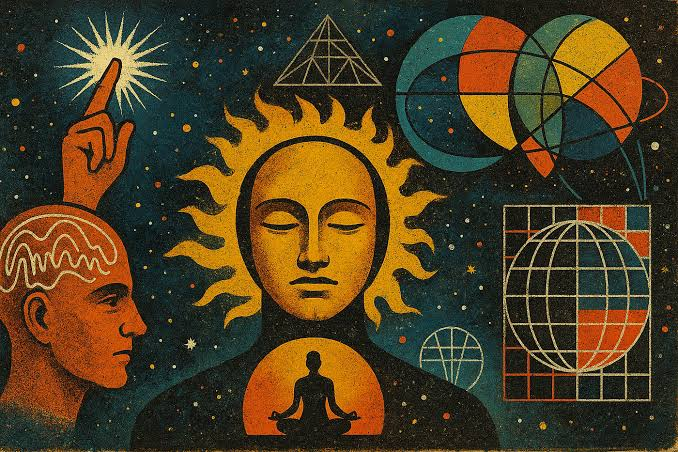
The Artistic Value of Lufanest
Artists often communicate emotions that cannot easily be explained with words.
Lufanest provides rich inspiration for visual creativity.
Common artistic themes include:
- Shadows
- Fog
- Mirrors
- Fragmented faces
- Light emerging from darkness
- Broken architecture
- Empty landscapes
- Floating memories
Each visual interpretation reflects different aspects of the human emotional experience.
Digital Communities and Lufanest
The internet has become a powerful place for developing modern myths.
Unlike traditional folklore, digital folklore evolves through collaboration.
Communities contribute:
- Stories
- Artwork
- Poetry
- Animations
- Discussions
- Symbolic interpretations
Lufanest continues growing because every creator adds new perspectives instead of following one official narrative.
Why People Connect with Lufanest
The popularity of lufanest is not simply about mystery.
People connect with it because it reflects universal emotional experiences.
Everyone has:
- Hidden fears
- Difficult memories
- Personal struggles
- Dreams left unfinished
- Questions without answers
Lufanest becomes a symbolic language for discussing these experiences without requiring a single interpretation.
This openness allows readers from different backgrounds to find personal meaning in the concept.
Can Lufanest Be Viewed Positively?
Although early descriptions often emphasize darkness, lufanest does not have to represent negativity.
In many interpretations, confronting one’s hidden emotions leads to:
- Greater resilience
- Improved self-awareness
- Stronger relationships
- Better emotional regulation
- Increased empathy
- Personal transformation
From this perspective, lufanest is less of a threat and more of a guide that encourages people to acknowledge the parts of themselves they have long ignored.
Instead of symbolizing fear alone, it can represent the beginning of healing and growth.
Possible Origins of the Term Lufanest
One of the most interesting aspects of lufanest is that its exact origin remains uncertain. Unlike words with well-documented historical roots, there is no official record explaining where the term first appeared. This uncertainty has encouraged people to develop their own interpretations.
Some believe the word originated within online creative communities, where writers and artists often invent original concepts to represent emotions that traditional language cannot fully describe. Others think it may have emerged from fictional storytelling, role-playing games, or digital art projects before spreading through internet discussions.
Another possibility is that lufanest was intentionally designed as an abstract concept with no fixed definition. This approach allows every reader to assign personal meaning to it, making the idea more flexible and memorable.
Regardless of its true origin, the growing interest in lufanest demonstrates how digital culture can create entirely new symbols that resonate with people around the world.
Is Lufanest Based on Real Psychology?
A common question is whether lufanest is an officially recognized psychological theory.
The answer is no.
Lufanest is not listed in psychology textbooks, mental health manuals, or scientific research as a formal concept. However, many of the themes associated with it are closely related to well-known psychological ideas.
These include:
- Emotional awareness
- Self-reflection
- Identity development
- Trauma recovery
- Memory processing
- Emotional regulation
- Personal growth
Because these topics are supported by established psychological research, people often use lufanest as a symbolic framework rather than a clinical explanation.
Understanding this distinction is important. Viewing lufanest as a metaphor allows readers to appreciate its value without confusing it with scientific terminology.
Lufanest and the Human Mind
The human mind stores far more information than people consciously think about every day.
Experiences shape beliefs, behaviors, and emotional responses over time. Some memories remain vivid, while others gradually fade into the background.
The concept of lufanest encourages people to consider questions such as:
- Which experiences still influence my decisions?
- Are there emotions I avoid discussing?
- How have past challenges shaped who I am today?
- What parts of myself remain unexplored?
These questions support self-reflection, which many mental wellness professionals consider an important part of personal development.
How Lufanest Relates to Emotional Intelligence
Emotional intelligence refers to the ability to recognize, understand, and manage emotions effectively.
Many symbolic interpretations of lufanest encourage this same process.
Someone exploring the idea of lufanest may become more aware of:
- Emotional triggers
- Personal strengths
- Areas for improvement
- Relationship patterns
- Communication habits
- Internal motivations
This makes the concept valuable as a personal reflection tool rather than simply an internet mystery.
Common Misconceptions About Lufanest
Because the topic is surrounded by mystery, several misconceptions have developed.
Myth 1: Lufanest Is a Dangerous Supernatural Being
There is no reliable evidence supporting this claim.
While some fictional stories describe lufanest as an entity, most interpretations treat it as a symbol rather than an actual creature.
Myth 2: Lufanest Is an Official Psychological Disorder
This is incorrect.
It is not recognized as a medical or psychological diagnosis.
Myth 3: Everyone Defines Lufanest the Same Way
The opposite is true.
Its meaning varies depending on the individual, community, or creative project discussing it.
Myth 4: Lufanest Represents Only Negative Emotions
Although many discussions focus on trauma or fear, the concept also represents healing, resilience, understanding, and transformation.
Lufanest in Creative Writing
Creative writers often search for ideas that allow readers to interpret stories in multiple ways.
Lufanest works especially well because it can symbolize different things for different characters.
For example, one novel might portray lufanest as:
- A forgotten memory
- A silent guide
- An invisible companion
- A force encouraging personal growth
Another story could present it as a mysterious place where people confront their deepest fears before discovering hope.
This flexibility explains why the concept continues inspiring original storytelling.
Lufanest in Visual Art
Visual artists often communicate emotion through symbolism rather than direct explanation.
Artwork inspired by lufanest frequently includes elements such as:
- Mist-covered forests
- Broken mirrors
- Empty rooms
- Ancient doors
- Floating lights
- Shadowed figures
- Stars emerging from darkness
- Abstract landscapes
Each image represents the journey from confusion toward understanding.
Rather than creating fear, these artistic choices often encourage quiet reflection.
Lufanest and Modern Digital Culture
The internet has changed how myths develop.
Traditional legends evolved over centuries through spoken storytelling. Modern digital concepts can spread globally within days.
Lufanest reflects this new form of cultural development.
People contribute by creating:
- Digital paintings
- AI-generated artwork
- Short stories
- Videos
- Podcasts
- Online discussions
- Interactive games
Every new interpretation expands the concept without replacing earlier versions.
This collaborative evolution makes lufanest a living idea rather than a finished definition.
Why Mystery Makes Lufanest Appealing
Psychologists have long recognized that humans are naturally curious.
When information is incomplete, the brain often continues searching for answers.
Lufanest benefits from this effect because it leaves room for imagination.
Instead of answering every question, it invites readers to think for themselves.
This makes discussions more engaging than concepts with rigid definitions.
Can Lufanest Support Personal Growth?
Although fictional or symbolic, lufanest can encourage valuable personal reflection.
People may use the idea to ask themselves:
- What fears have I ignored?
- Which memories still affect my choices?
- What emotional habits should I change?
- How can I become more self-aware?
- What strengths have difficult experiences given me?
By considering these questions honestly, individuals may gain new perspectives on their own lives.
The concept becomes less about mystery and more about self-understanding.
The Future of Lufanest
As online culture continues evolving, lufanest may develop in several directions.
It could become:
- A popular storytelling symbol
- A recurring theme in digital art
- Inspiration for novels or films
- A concept explored in podcasts
- A topic within online philosophy communities
- A creative framework for emotional narratives
Because there is no official authority controlling its meaning, future generations may continue expanding the concept in entirely new ways.
This openness is one reason the term remains so interesting.
Lessons We Can Learn from Lufanest
Whether viewed as fiction, philosophy, or symbolism, lufanest offers several meaningful lessons.
First, hidden emotions do not disappear simply because they are ignored.
Second, personal growth often begins with self-awareness.
Third, mystery can inspire creativity rather than fear.
Fourth, every person’s emotional journey is unique.
Finally, symbols can sometimes communicate complex ideas more effectively than direct explanations.
These insights make lufanest more than an unusual internet term. It becomes a tool for reflection, storytelling, and imagination.
Should You Believe in Lufanest Literally?
There is no evidence that lufanest exists as a supernatural being or scientifically verified phenomenon.
Instead, it is most useful when understood as a symbolic concept.
Like many myths, metaphors, and artistic ideas, its value comes from what it represents rather than whether it exists physically.
Readers can appreciate the concept while maintaining a clear distinction between symbolic interpretation and factual reality.
Why Lufanest Continues to Spark Curiosity
Few modern concepts combine psychology, philosophy, creativity, and internet culture as effectively as lufanest.
Its growing popularity reflects a broader cultural interest in understanding emotions, exploring identity, and creating meaningful narratives.
Rather than providing fixed answers, lufanest encourages thoughtful questions.
That quality ensures it will likely remain relevant as new communities continue interpreting and expanding the idea.
Frequently Asked Questions About Lufanest
What is lufanest in simple words?
Lufanest is generally understood as a symbolic concept representing hidden emotions, unresolved memories, inner conflict, and personal transformation. It does not have one official definition.
Is lufanest a real entity?
There is no verified evidence that lufanest exists as a real supernatural being. Most discussions describe it as a metaphor, fictional concept, or artistic symbol.
Is lufanest connected to psychology?
Not officially. However, many interpretations relate to recognized psychological themes such as emotional awareness, trauma, identity, and self-reflection.
Why has lufanest become popular online?
Its mystery, flexibility, and symbolic nature encourage creative discussions, artwork, storytelling, and philosophical exploration across digital communities.
Can writers use lufanest in fiction?
Yes. Because there is no fixed definition, writers can adapt the concept into fantasy, horror, science fiction, psychological fiction, or philosophical stories.
Does lufanest have a positive meaning?
It can. While some interpretations focus on darkness or emotional pain, others see it as representing healing, resilience, growth, wisdom, and self-discovery.
Is there a correct interpretation of lufanest?
No. One of the defining characteristics of lufanest is that it remains open to personal interpretation. Different readers may understand it in different ways.
Can lufanest inspire art and creativity?
Absolutely. Artists often use the concept to explore themes such as memory, identity, light and shadow, emotional healing, dreams, and transformation.
Could lufanest become more widely recognized in the future?
As digital culture continues evolving, concepts like lufanest may gain broader recognition through books, games, films, online communities, and creative projects.
What makes lufanest different from other symbolic concepts?
Its uniqueness lies in its flexibility. Rather than belonging to one culture, religion, or academic field, lufanest exists as an evolving idea shaped by collective imagination and individual interpretation.
Conclusion
Lufanest is a fascinating modern concept that blends symbolism, psychology, philosophy, and creativity into a single evolving idea. While it is not an officially recognized scientific or supernatural phenomenon, it has captured attention because it speaks to experiences that many people share but often struggle to express—hidden emotions, unresolved memories, personal identity, and the journey toward healing.
Its greatest strength is its openness. Instead of limiting readers to one explanation, lufanest invites exploration, imagination, and meaningful conversation. Writers can transform it into compelling stories, artists can express it through powerful imagery, and individuals can use it as a metaphor for self-reflection and emotional growth.
As interest in mental well-being, creative expression, and digital folklore continues to expand, lufanest is likely to remain a topic of curiosity. Whether viewed as a symbolic shadow entity, a representation of collective consciousness, or simply a creative framework for understanding the human experience, lufanest reminds us that the most meaningful journeys often begin by exploring the parts of ourselves that remain unseen.