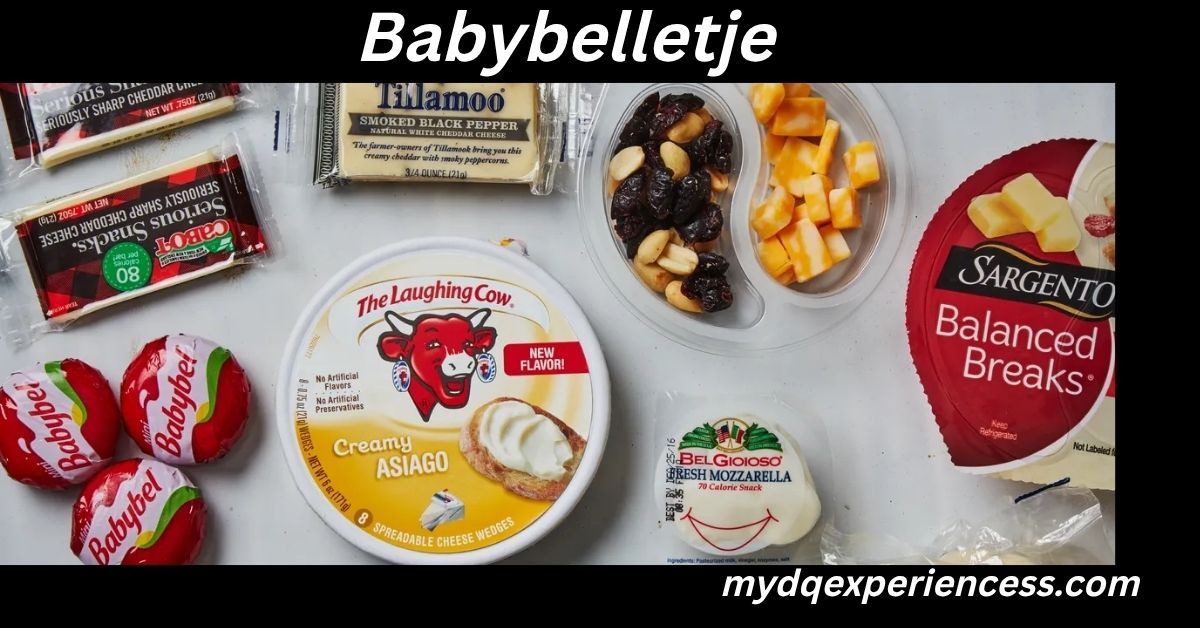
Babybelletje: The Popular Mini Cheese Snack, Nutrition, Benefits, Uses, and Everything You Need to Know
If you have ever opened a small round cheese wrapped in colorful wax, you have already experienced the fun behind the word babybelletje. While the name may sound unfamiliar to many people in the United States, it is commonly used as a cute nickname for Mini Babybel cheese. The word reflects the small size, playful design, and enjoyable experience that make this cheese snack popular among children and adults alike.
Today, babybelletje is more than just a nickname. It has become associated with convenience, quality cheese, healthy snacking, lunchbox meals, and portion-controlled nutrition. As people continue searching for better snack options, products connected with babybelletje continue to grow in popularity.
Whether you are a parent looking for healthy snacks, a student needing quick energy between classes, or simply someone who enjoys cheese, understanding babybelletje can help you make smarter food choices.
This complete guide explains everything you need to know, including its meaning, history, nutritional value, health benefits, ingredients, manufacturing process, and why millions of people continue to enjoy this small but satisfying cheese.
What Is Babybelletje?
Babybelletje is an affectionate nickname often used for Mini Babybel cheese. The nickname comes from Dutch-speaking communities, where adding “-tje” to a word creates a smaller or cuter version.
In simple terms, babybelletje refers to the small, individually wrapped cheese rounds that have become famous around the world.
These cheeses are known for several unique features:
- Small single-serving portions
- Natural cheese made from real milk
- Bright wax coating
- Easy-to-open packaging
- Portable snack size
- Rich creamy flavor
- Suitable for lunchboxes and travel
Unlike processed cheese slices, Mini Babybel products are made using real cheese that naturally matures before being wrapped for freshness.
The playful wax covering has become one of the product’s most recognizable characteristics, making babybelletje enjoyable not only to eat but also to unwrap.
The Origin of the Word Babybelletje
The word babybelletje combines the familiar brand name “Babybel” with the Dutch diminutive ending “-tje.”
This ending is often used to express affection or indicate something that is small.
For example:
- huis becomes huisje
- boek becomes boekje
- Babybel becomes babybelletje
Because Mini Babybel itself is already small, the nickname makes the product sound even more adorable.
Although the official product is sold under the Mini Babybel brand, many people casually refer to it as babybelletje when talking about these bite-sized cheese snacks.
Over time, the nickname has appeared in blogs, recipes, social media posts, parenting discussions, and online searches.
The History Behind Mini Babybel
Understanding babybelletje starts with understanding Mini Babybel itself.
The original Babybel cheese has a long European history dating back many decades. It was developed as a practical way to package cheese while keeping it fresh.
The famous wax coating served several purposes:
- Protected the cheese
- Prevented moisture loss
- Improved portability
- Extended freshness
- Created a fun eating experience
As lifestyles became busier, individually wrapped foods became increasingly popular.
Mini Babybel perfectly matched this trend because it required no cutting, no preparation, and almost no cleanup.
Eventually, the snack spread across Europe before becoming widely available in the United States, Canada, Australia, Asia, and many other countries.
Today, millions of people recognize the familiar little red cheese.
Why Babybelletje Has Become So Popular
Many snack foods become popular for only a few years before disappearing.
Babybelletje has remained successful because it combines several qualities consumers value.
Convenient Size
Each cheese is individually packaged.
This means there is no need to slice cheese or store leftovers after opening.
You simply remove one piece whenever you are hungry.
Portable Snack
Busy lifestyles demand foods that travel well.
Babybelletje fits easily into:
- School lunchboxes
- Office lunches
- Hiking bags
- Road trip coolers
- Gym bags
- Picnic baskets
Its protective wax covering also helps keep the cheese intact until it is ready to eat.
Fun to Open
Many people enjoy peeling away the colorful wax.
For children, this makes snack time more interactive.
Adults often describe it as surprisingly satisfying.
The simple act of opening the wax has become part of the product’s identity.
Portion Control
One reason nutrition experts appreciate babybelletje is portion control.
Instead of cutting random pieces from a large cheese block, each serving already contains a measured amount.
This helps many people manage calorie intake more effectively.
Great Taste
Convenience alone would not keep customers returning.
The creamy texture and mild flavor appeal to people of many ages.
The taste is neither too strong nor too bland, making it suitable for a wide range of diets.
What Makes Babybelletje Different from Other Cheese Snacks?
Many cheese snacks compete for attention in grocery stores.
However, babybelletje stands out because of several important qualities.
Unlike many processed cheese products, it starts with real cheese made from milk.
The wax coating is unique.
The portion size encourages healthier eating.
The texture feels fresh rather than overly processed.
The packaging reduces waste from repeatedly opening larger cheese packages.
The snack also works equally well for children and adults, something few packaged foods achieve successfully.
Nutrition Facts of Babybelletje
Although nutrition varies slightly between flavors, one serving generally provides a balanced combination of protein, calcium, and healthy fats.
A typical serving includes approximately:
- Calories: around 70
- Protein: about 5 grams
- Fat: about 6 grams
- Carbohydrates: less than 1 gram
- Calcium: approximately 15 to 20 percent of the daily value
Because carbohydrates remain very low, many people include babybelletje in low-carb eating plans.
Protein helps support muscles while calcium contributes to healthy bones and teeth.
Health Benefits of Babybelletje
When eaten as part of a balanced diet, babybelletje offers several nutritional advantages.
High-Quality Protein
Protein supports many important body functions.
It helps:
- Build muscle
- Repair tissues
- Maintain healthy skin
- Support immune function
- Keep you feeling full longer
The protein found in real cheese is considered high quality because it contains essential amino acids.
Excellent Source of Calcium
Calcium remains one of the most important minerals in the human body.
Regular calcium intake helps support:
- Strong bones
- Healthy teeth
- Muscle movement
- Nerve communication
- Heart function
For growing children, calcium-rich snacks can help meet daily nutritional requirements.
Adults also benefit because bone density naturally decreases with age.
Supports Healthy Snacking
Many packaged snacks contain large amounts of sugar.
Babybelletje offers a satisfying alternative.
Instead of causing rapid blood sugar spikes, its combination of fat and protein provides more steady energy.
This makes it a practical afternoon snack.
Naturally Filling
One reason many people overeat is because snacks fail to satisfy hunger.
Cheese tends to be more filling because protein and fat digest more slowly than sugary foods.
As a result, a single serving often keeps hunger away longer than chips or candy.
Ingredients Found in Babybelletje
One reason consumers appreciate babybelletje is its relatively simple ingredient list.
While ingredients vary slightly depending on flavor, traditional varieties commonly include:
- Pasteurized milk
- Cheese cultures
- Salt
- Microbial enzymes
The colorful wax outside the cheese is not edible.
Its purpose is simply to protect freshness and preserve the cheese until it is opened.
The outer plastic wrapper provides an additional protective layer during transportation and storage.
Many shoppers appreciate products with shorter ingredient lists because they appear less heavily processed than many packaged snack foods.
How Babybelletje Is Made
Making babybelletje begins with fresh milk collected from dairy farms.
The milk is carefully tested to ensure quality before cheese cultures are added.
Next, natural enzymes help separate the milk into curds and whey.
The curds are gently heated, shaped into small rounds, and allowed to mature.
Once the cheese reaches the desired texture, each piece receives its famous wax coating.
Finally, every cheese is wrapped individually before being packaged for stores.
This careful production process helps maintain consistent flavor, texture, and freshness from one piece to the next.
Different Varieties Available
While the classic version remains the best known, modern consumers can choose from several different varieties depending on local availability.
Popular options include:
- Original
- Light
- White Cheddar
- Gouda
- Mozzarella Style
- Cheddar
- Plant-Based Alternatives
Each variety offers its own texture and flavor while maintaining the convenient single-serving design that people associate with babybelletje.
Who Should Eat Babybelletje?
Babybelletje works well for many different lifestyles.
It is especially suitable for:
- Busy professionals
- School-aged children
- College students
- Travelers
- Fitness enthusiasts
- Families preparing lunchboxes
- People looking for convenient high-protein snacks
Its portability and balanced nutrition make it useful in situations where preparing fresh meals is not always possible.
In the next part, we will explore creative ways to eat babybelletje, compare it with other cheese snacks, discuss storage tips, sustainability, common myths, buying advice, future trends, expert insights, a detailed conclusion, and a comprehensive FAQ section with unique questions not covered in the main article.
Different Ways to Enjoy Babybelletje
One of the biggest reasons babybelletje remains a favorite snack is its versatility. While many people enjoy it straight from the package, there are many creative ways to include it in everyday meals.
For breakfast, pair babybelletje with whole-grain toast, fresh fruit, and a boiled egg for a balanced meal. The creamy cheese adds flavor without requiring any preparation.
At lunch, include one or two pieces in a lunchbox with crackers, sliced turkey, cucumber, cherry tomatoes, and grapes. This combination provides protein, fiber, vitamins, and healthy carbohydrates.
For dinner, cut babybelletje into small pieces and add it to salads, pasta dishes, or homemade pizzas. Its mild flavor blends well with vegetables and lean proteins.
It also works well as an afternoon snack with apple slices, pears, almonds, walnuts, or whole-grain crackers. These combinations help keep you full while providing important nutrients.
For parties, babybelletje can be placed on cheese boards alongside olives, cured meats, fresh fruits, nuts, and artisan breads. Its individual wrapping also makes serving clean and convenient.
Babybelletje for Kids
Parents often look for snacks that are nutritious, portable, and appealing to children. Babybelletje meets all three requirements.
Children enjoy removing the wax coating, making snack time more interactive. Since each cheese is individually wrapped, parents can easily pack the right portion without worrying about cutting cheese or keeping it fresh.
Because it contains protein and calcium, babybelletje can help support growing bodies when included as part of a balanced diet. Pairing it with fruits, vegetables, and whole grains creates a well-rounded snack that offers lasting energy.
Parents should always supervise very young children while eating any food that could present a choking hazard and cut the cheese into smaller pieces when appropriate.
Babybelletje for Adults
Adults appreciate babybelletje for different reasons. Busy work schedules often leave little time for preparing snacks. Keeping several pieces in the refrigerator provides a quick option before meetings, after workouts, or during long commutes.
People following high-protein or lower-carbohydrate eating plans also enjoy babybelletje because it contains very few carbohydrates while providing satisfying protein and fat.
For office workers, it is an easy alternative to sugary vending machine snacks that may lead to energy crashes later in the day.
Creative Recipe Ideas
Although babybelletje is commonly eaten on its own, it can also become part of many recipes.
Some creative ideas include:
- Stuff mini meatballs with babybelletje for a melted cheese center.
- Slice it into garden salads.
- Add pieces to homemade pasta salads.
- Melt it inside grilled sandwiches.
- Use it in wraps with turkey and lettuce.
- Include it on homemade snack boards.
- Dice it into scrambled eggs.
- Pair it with roasted vegetables.
- Add it to picnic baskets.
- Serve it alongside soups instead of traditional bread.
These simple ideas help transform an ordinary snack into a more complete meal.
Babybelletje Compared with Other Cheese Snacks
Consumers often wonder how babybelletje compares with other cheese products available in grocery stores.
One important difference is portion control. Since each serving is individually packaged, it is easier to manage calorie intake than when cutting cheese from a large block.
Another advantage is freshness. Every serving remains sealed until opened, reducing exposure to air.
Compared with many processed cheese snacks, babybelletje is made from real cheese and contains a relatively short ingredient list. While nutritional values differ between brands, many consumers appreciate products with simple ingredients and recognizable flavors.
Its signature wax coating also makes it unique. Few other cheese snacks offer the same level of freshness and fun presentation.
Buying Guide
When shopping for babybelletje, consider the following tips.
Choose the flavor that best matches your taste preferences. Original is mild and creamy, while cheddar and Gouda varieties offer richer flavors.
Always check the expiration date before purchasing.
Inspect the packaging to make sure it has not been damaged.
If you plan to pack the cheese for lunches or travel, keep it refrigerated until you are ready to leave.
Buying larger multipacks may reduce the cost per serving for families that enjoy babybelletje regularly.
How to Store Babybelletje Properly
Proper storage helps maintain freshness and flavor.
Store babybelletje in the refrigerator according to the package instructions.
Keep each cheese in its original wrapper until you are ready to eat it. The wax and plastic packaging work together to protect freshness.
Avoid leaving cheese at room temperature for long periods, especially during hot weather.
If traveling, use an insulated lunch bag with an ice pack whenever possible.
Once the wax has been removed, eat the cheese promptly or store any remaining portion in an airtight container.
Is Babybelletje Good for Weight Management?
Many people wonder whether cheese fits into a healthy eating plan.
The answer depends on overall eating habits and portion sizes.
Babybelletje can support weight management because each serving is pre-portioned, making it easier to control calories.
Its protein helps increase fullness, which may reduce unnecessary snacking between meals.
However, like all foods, it should be enjoyed as part of a balanced diet that includes fruits, vegetables, whole grains, and lean proteins.
Sustainability and Packaging
Environmental awareness continues to influence food purchasing decisions.
The wax coating used on babybelletje helps preserve freshness without relying solely on plastic packaging. Many consumers also reuse the wax for arts and crafts, although it should never be eaten.
Manufacturers continue exploring ways to improve packaging sustainability through recycling initiatives and responsible sourcing. Consumers can also reduce waste by following local recycling guidelines where available.
As sustainability becomes more important worldwide, continued innovation in packaging is expected.
Common Myths About Babybelletje
Several myths continue to circulate online.
Myth: The wax is edible.
Fact: The wax is designed only to protect the cheese and should always be removed before eating.
Myth: Babybelletje contains artificial cheese.
Fact: Traditional varieties are made from real cheese produced from milk.
Myth: It is only for children.
Fact: People of all ages enjoy babybelletje because of its convenience and balanced nutrition.
Myth: Cheese cannot fit into a healthy diet.
Fact: When eaten in moderation, cheese can provide protein, calcium, and other nutrients that support overall health.
Expert Insights
Nutrition professionals often recommend choosing snacks that combine protein with healthy carbohydrates or fruits and vegetables.
Babybelletje fits this recommendation when paired with foods such as apples, berries, carrots, celery, or whole-grain crackers.
Rather than relying on highly processed snacks high in sugar, choosing nutrient-rich options may help support better energy levels throughout the day.
Consumers should always consider their individual dietary needs, allergies, and health goals when selecting foods.
The Future of Babybelletje
Consumer preferences continue shifting toward convenient, nutritious, and minimally processed snacks.
This trend suggests that products associated with babybelletje will likely remain popular for years to come.
Future innovations may include additional flavors, reduced packaging waste, plant-based options, and new snack combinations designed for modern lifestyles.
As more families seek portable, high-quality foods, babybelletje is well positioned to remain a trusted choice.
Final Thoughts
Babybelletje represents much more than a cute nickname. It reflects a snack that combines convenience, quality, nutrition, and enjoyment in one small package.
Its individually wrapped design, creamy flavor, high-quality protein, and calcium content make it suitable for children, adults, students, professionals, and travelers alike.
Whether you enjoy it on its own, pair it with fruits and vegetables, or include it in recipes, babybelletje offers a practical way to add real cheese to your daily routine.
While no single food provides every nutrient the body needs, babybelletje can be part of a balanced eating pattern when enjoyed alongside a variety of wholesome foods.
Its lasting popularity shows that simple, well-made foods often remain favorites across generations.
Frequently Asked Questions
What does the word babybelletje mean?
Babybelletje is an affectionate nickname for Mini Babybel cheese. The “-tje” ending is commonly used in Dutch to describe something small or cute.
Is babybelletje the same as Mini Babybel?
Yes. Babybelletje is an informal nickname commonly used to refer to Mini Babybel cheese.
Can babybelletje be frozen?
Freezing is possible, but it may change the texture after thawing. Refrigeration is recommended for the best quality.
Is babybelletje suitable for lunchboxes?
Yes. Its individual packaging makes it one of the easiest cheeses to pack for school or work lunches.
Does babybelletje need refrigeration?
Yes. It should be kept refrigerated until it is ready to eat.
Can athletes eat babybelletje?
Yes. Its protein content makes it a convenient post-workout or between-meal snack when included in a balanced diet.
Is babybelletje keto-friendly?
Many traditional varieties are low in carbohydrates, making them suitable for many low-carb eating plans. Always review the nutrition label for the specific variety.
Can older adults benefit from babybelletje?
Yes. The protein and calcium found in cheese can contribute to a nutritious diet for older adults when consumed in appropriate portions.
What foods pair best with babybelletje?
Fresh fruit, whole-grain crackers, nuts, vegetables, turkey slices, grapes, apples, pears, and berries all pair well with babybelletje.
Why is the wax coating important?
The wax helps protect the cheese, preserve freshness, and create the unique experience that many people associate with babybelletje.
Is babybelletje a processed snack?
Traditional babybelletje is made from real cheese using a relatively simple ingredient list, although it is packaged for convenience.
Can I cook with babybelletje?
Yes. It can be added to sandwiches, pasta dishes, salads, baked recipes, omelets, and snack platters.
Why has babybelletje become so popular?
Its combination of portability, portion control, creamy taste, fun packaging, and nutritional value has made it a favorite snack for people of all ages.
Is babybelletje a good everyday snack?
For most people, babybelletje can be enjoyed as part of a balanced diet. Pairing it with fruits, vegetables, or whole grains creates an even more nutritious snack.
What makes babybelletje different from other snack cheeses?
Its individually wrapped portions, real cheese ingredients, signature wax coating, consistent quality, and convenient size make babybelletje stand out among many cheese snacks available today.